Global Freight
Sea Freight
FCL and LCL ocean freight engineered around landed cost.
The problem
Why businesses struggle
Ocean freight looks cheap until demurrage, detention, storage and re-handling charges arrive weeks after the container has been returned.
Business impact
- Landed cost that cannot be forecast at purchase-order stage
- Containers accruing demurrage while documents are corrected
- Half-empty containers shipped because there is no consolidation plan
How Bromley solves it
The process
01
Mode and container strategy
FCL, LCL or buyer's consolidation modelled against your order cycle and storage cost.
02
Pre-arrival clearance
Documents lodged while cargo is on the water so containers move on the first free day.
03
Port and inland coordination
Terminal handling, transfers and inland haulage sequenced under one plan.
04
Landed-cost reporting
Every charge itemised against the shipment so purchasing can price accurately.
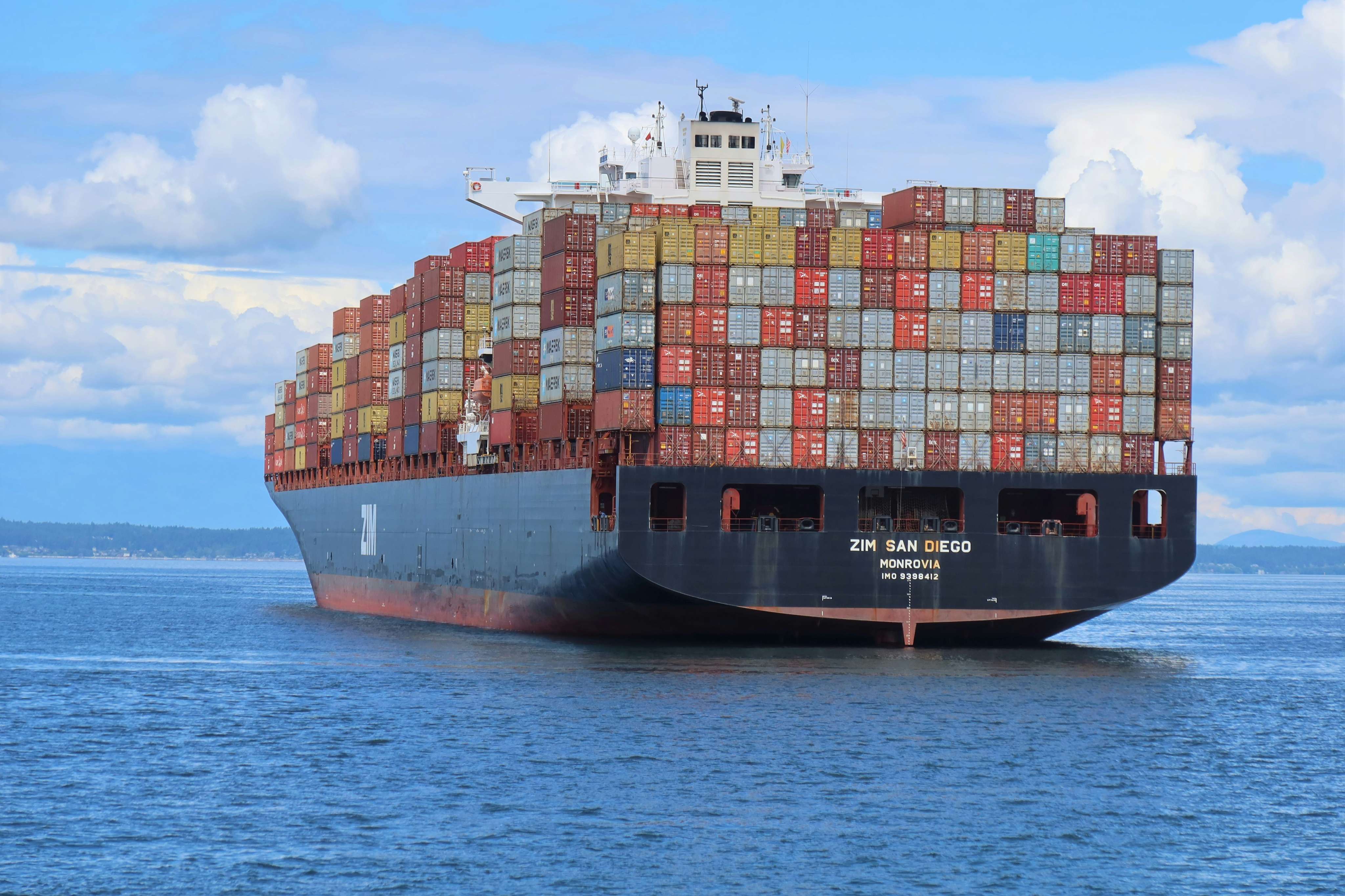 Cargo handling
In operation
Sea Freight in practice
FCL, LCL or buyer's consolidation modelled against your order cycle and storage cost.
Case study
Building materials distributor
31% lower landed cost
Switching from ad-hoc FCL to a planned consolidation programme removed empty container space and eliminated recurring demurrage.
Get a quote for this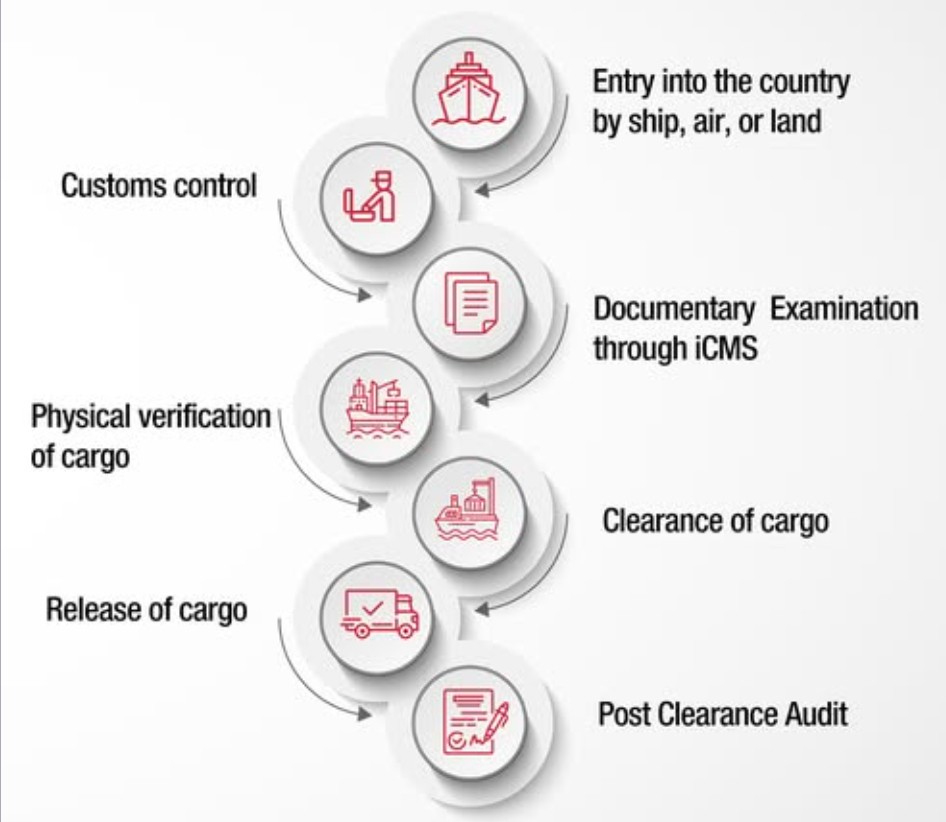 Support network
Capabilities
What's included
- FCL
- LCL
- Breakbulk
- Reefer
- Out-of-gauge
- Buyer's consolidation
Benefits
What changes for your business
- Weekly LCL consolidations on core corridors
- Demurrage-free clearance on the majority of consignments
- Full container and breakbulk capability
- Transparent landed-cost breakdown per shipment
Resources
Read before you ship
Proof
Related case studies
Industries served
Sectors we run this for
FAQ
Sea Freight questions, answered
What is the difference between FCL and LCL?+
FCL gives you an exclusive container; LCL shares one with other importers. LCL suits smaller volumes; FCL becomes cheaper once you fill roughly 15 cubic metres.
How do I avoid demurrage?+
Send documents early, confirm HS classification before arrival and settle duties in advance. We pre-lodge on your behalf as standard.
How long does sea freight take?+
Corridor dependent — typically 21 to 40 days port to port, plus clearance and inland delivery.
Can you handle breakbulk or out-of-gauge cargo by sea?+
Yes, alongside standard FCL and LCL, including engineered stowage for oversized and non-containerised loads.
Will I know my full landed cost before the cargo arrives?+
Yes. Every charge, from freight to terminal handling to inland haulage, is itemised against the shipment so purchasing can price accurately.
Request a sea freight quote
Tell us the route, cargo and timeline, costed options within four working hours.