12 June 2026 · 10 min read · Bromley Trade Compliance Desk
Why entries get lodged late
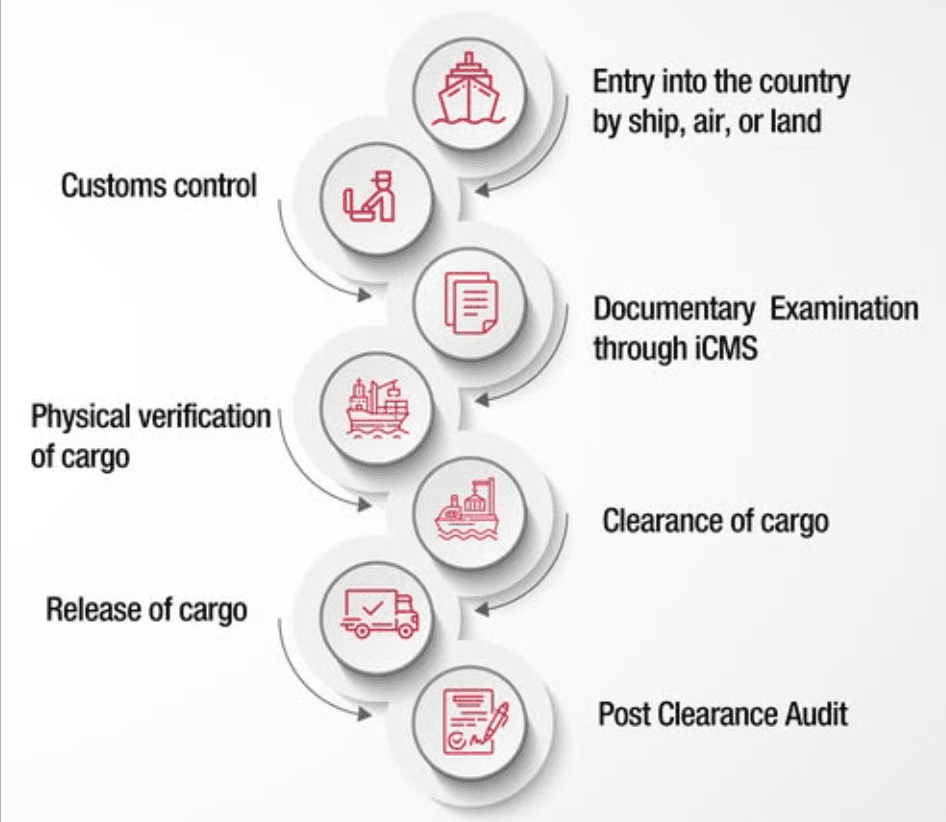
Almost never because of customs. Late entries are caused by missing or inconsistent supplier documentation discovered after the cargo has already sailed. Across the accounts our compliance desk manages, the same three root causes recur far more often than any regulatory bottleneck.
- Invoice values that do not reconcile to the packing list
- Missing certificates of origin or product permits
- Descriptions too vague to classify accurately
The document set that unlocks pre-arrival clearance
Commercial invoice, packing list, transport document, certificate of origin and any product-specific permit — verified at booking, not at arrival. Bromley Logistics runs this verification as a standing step in the booking process, so a document gap is caught while the supplier can still correct it, not after the vessel has cleared the breakwater.
What pre-clearance actually saves
On a standard 40ft container, each day of avoidable demurrage typically runs into several hundred dollars once terminal storage and detention are combined. Multiply that across a programme of twenty or thirty containers a year and pre-clearance is rarely a marginal saving — it is frequently the difference between a profitable import programme and one that quietly bleeds margin through charges nobody budgeted for.
Making it repeatable
Codify classification for repeat SKUs, hold a maintained document template per supplier, and review every exception at the monthly performance meeting so the same failure does not recur. This is the same operating discipline Bromley Logistics applies across its own clearance desk, and it is the difference between a one-off improvement and a durable reduction in demurrage exposure.
- Maintain a live HS classification table for your top SKUs
- Send a standard document template to every supplier before the first order
- Log every exception and its root cause, not just its resolution
Where to start if you have never pre-cleared
Pick your five highest-volume tariff lines and confirm classification, valuation basis and permit requirements for each. That short list, done properly, removes the majority of demurrage risk on most import programmes before you touch the rest of the catalogue.