18 July 2026 · 9 min read · Bromley Trade Desk
Port dwell is the cost you do not see on the invoice
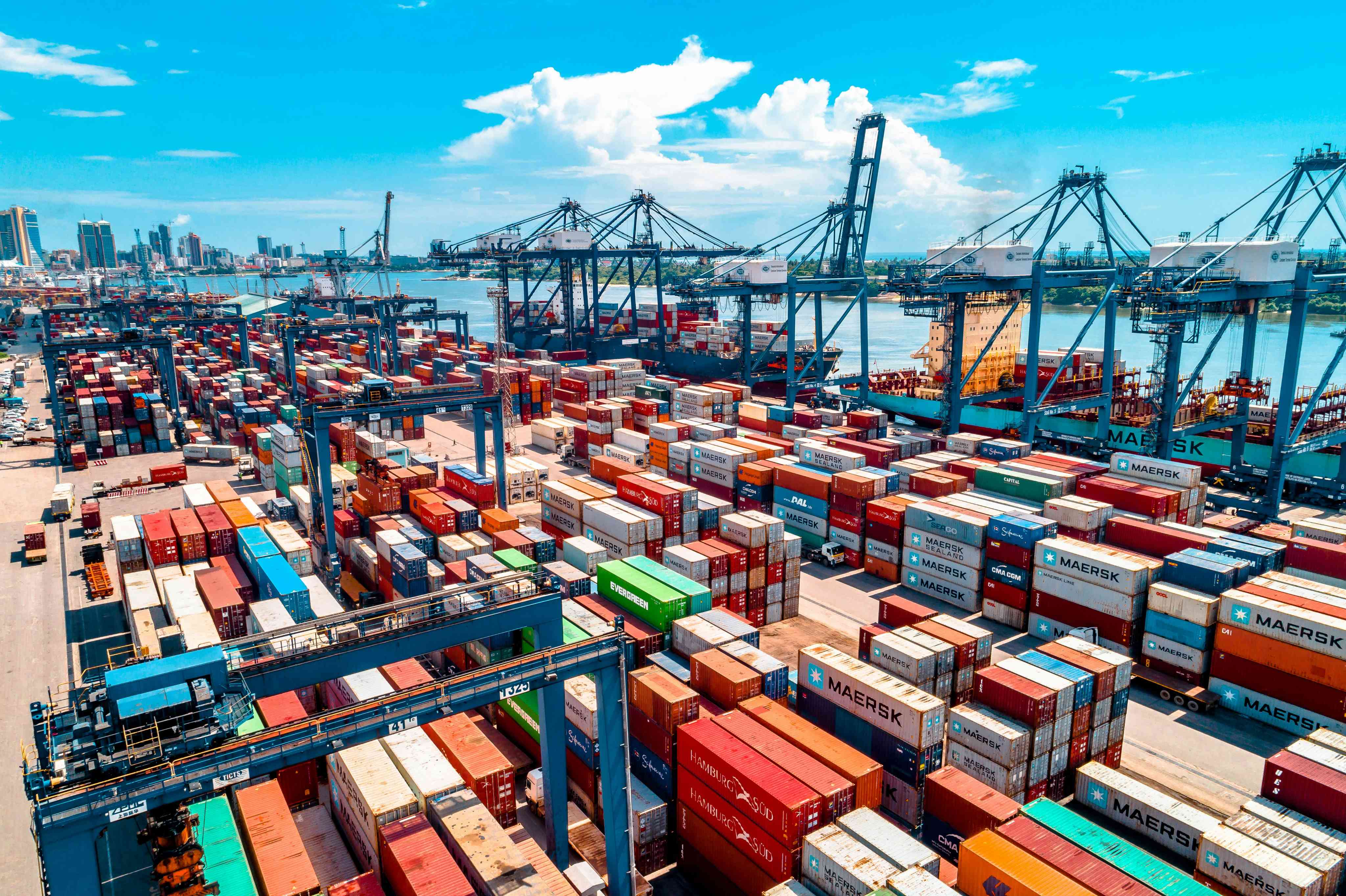
Freight rates are visible and negotiated. Dwell time is neither, yet it drives demurrage, storage and expedited inland haulage — often exceeding the ocean freight saving that caused it. Our trade desk reviews weekly berth performance data across the corridors Bromley Logistics operates, and the pattern holds quarter after quarter: importers who treat dwell as an afterthought pay for it twice, first in storage and again in the rushed inland movement that follows a late release.
- Lodge entries before vessel arrival, not after discharge
- Pre-position inland haulage against the berthing window
- Track free days per container, not per shipment
Corridor capacity tightens around harvest and holidays
Inland trucking capacity on regional corridors is seasonal. Agricultural harvest movements and the run-up to major holidays pull capacity away from container haulage exactly when import volumes peak. Bromley Logistics holds forward-booked capacity with a panel of vetted regional carriers precisely to absorb this seasonality, but importers who book on arrival rather than against a rolling forecast are competing for whatever is left on the spot market — and paying spot-market prices for it.
- Forecast inland haulage volumes at least six weeks ahead of harvest season
- Agree indicative capacity with your forwarder before, not during, the squeeze
- Build a small buffer into safety stock for SKUs that move on tight corridors
Duty and levy changes are arriving mid-cycle more often
Revenue authorities across the region have moved to more frequent gazette updates on specific tariff lines rather than a single annual budget cycle. That means a landed-cost model built once a year is stale within months. Clients on Bromley Logistics' trade compliance desk receive a classification review whenever a gazette notice touches their top tariff lines, rather than discovering the change at the point of entry.
What to do this quarter
Rebuild your landed-cost model with dwell, inland haulage and duty as first-class inputs, then agree service levels that make pre-arrival clearance the default rather than the exception. None of this requires new technology or a new supplier base — it requires the document flow to start before the vessel does.
- Move to pre-arrival clearance for all repeat SKUs
- Consolidate low-volume suppliers into fixed weekly cut-offs
- Review classification on your top twenty tariff lines
- Confirm inland haulage capacity ahead of the seasonal squeeze
The two-quarter view
None of these pressures are new in isolation, but they are compounding faster than in previous years. Businesses that ask Bromley Logistics to run a corridor review this quarter are typically looking at a return within the first two shipments, simply from eliminating avoidable dwell and re-sequencing when documents get lodged.