Warehousing
Packaging
Export-grade packing, crating and palletisation.
The problem
Why businesses struggle
Damage in transit is almost always a packing decision made weeks earlier.
Business impact
- Damaged goods on arrival
- Rejected export packing
- Wasted container space
How Bromley solves it
The process
01
Packing specification
Materials and methods matched to mode, route and handling.
02
Export crating
ISPM-15 compliant timber crating for regulated markets.
03
Cube optimisation
Palletisation designed to fill the container, not the floor.
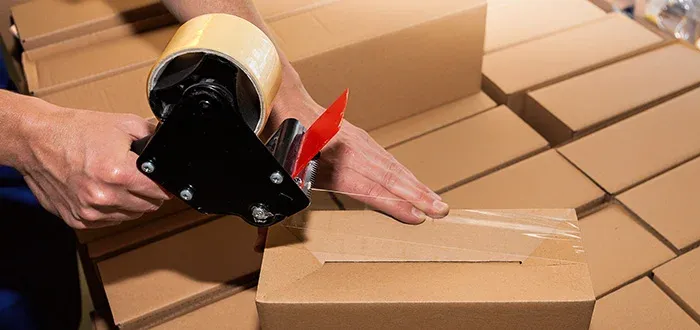 Cargo handling
In operation
Packaging in practice
Materials and methods matched to mode, route and handling.
Case study
Machinery exporter
Zero damage claims
Engineered crating removed a recurring damage problem on a long multimodal route.
Get a quote for this Support network
Capabilities
What's included
- Crating
- Palletising
- Shrink wrapping
- ISPM-15 timber
- Fragile handling
- Labelling
Benefits
What changes for your business
- Lower damage rates
- Compliant export packing
- Better container utilisation
Resources
Read before you ship
Proof
Related case studies
Industries served
Sectors we run this for
FAQ
Packaging questions, answered
What is ISPM-15?+
An international standard requiring timber packaging to be heat-treated and marked before export.
Why does damage in transit trace back to packing?+
Materials and methods chosen weeks earlier determine whether cargo survives handling, stacking and vibration — the decision is made long before the truck arrives.
Can you crate fragile or irregular-shaped items?+
Yes, engineered crating and fragile handling are specified per item rather than a standard box.
Does better packing actually save container space?+
Yes. Cube optimisation and palletisation are designed to fill the container efficiently, not just protect the goods.
Request a packaging quote
Tell us the route, cargo and timeline, costed options within four working hours.