Warehousing
Cross-Stuffing
Container-to-container transfers that recover wasted space.
The problem
Why businesses struggle
Containers arrive at a hub badly utilised, or configured for the wrong onward route, and the cost is carried all the way to destination.
Business impact
- Freight paid on air, not cargo
- Transshipment rules blocking onward movement
- Damage from unmanaged re-handling
How Bromley solves it
The process
01
Hub-side transfer
Cargo moved between containers at strategic logistics hubs under supervision.
02
Load optimisation
Re-stow plans that maximise cube and payload for the onward leg.
03
Repacking and protection
Palletising, shrink-wrapping and re-securing to protect shipment integrity.
04
Compliance alignment
Configuration matched to transshipment and customs requirements at the next border.
 Cargo handling
In operation
Cross-Stuffing in practice
Cargo moved between containers at strategic logistics hubs under supervision.
Case study
Regional distributor
1 in 5 containers saved
Cross-stuffing at the transit hub recovered enough cube to remove one container in every five from a recurring programme.
Get a quote for this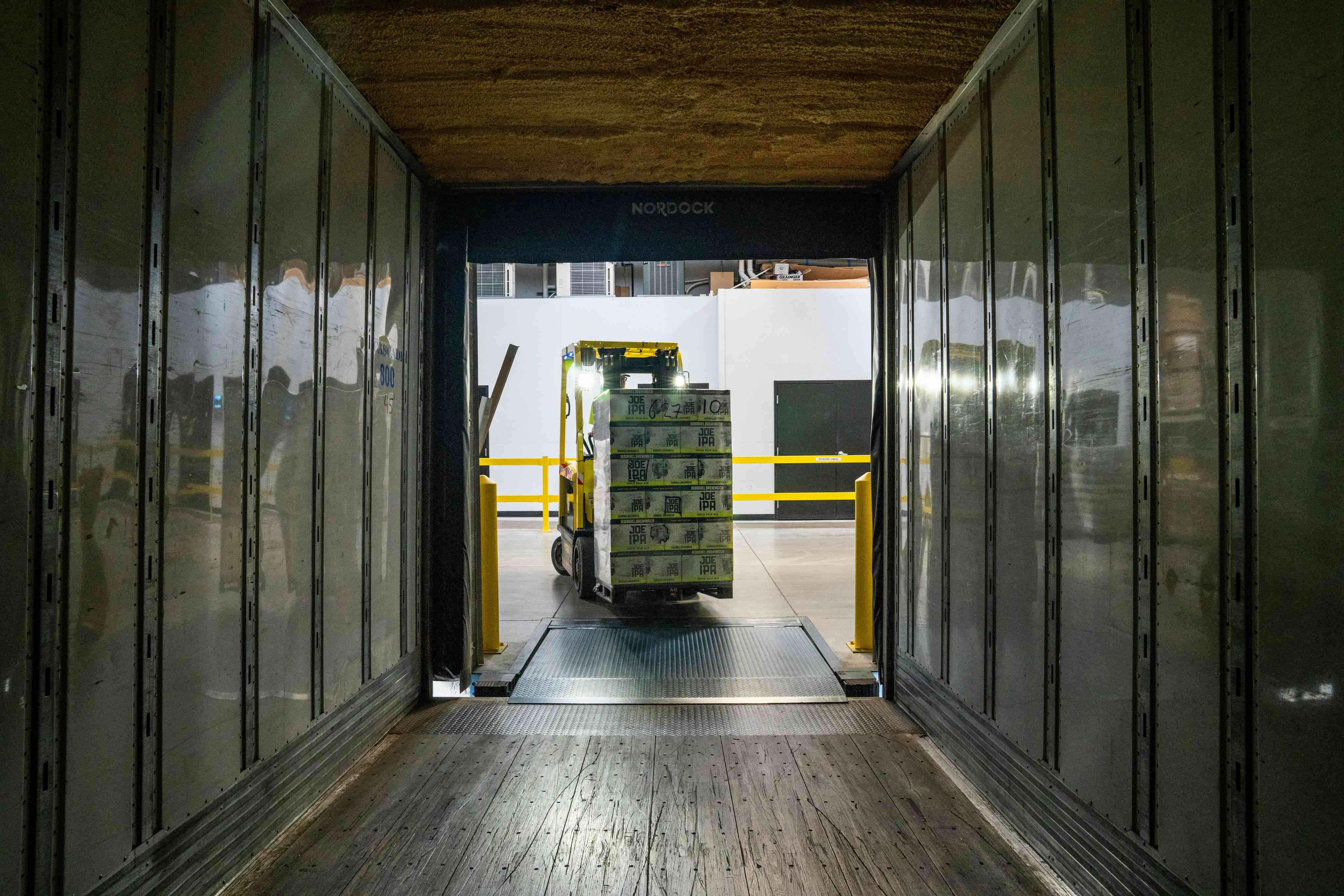 Support network
Capabilities
What's included
- Container transfers
- Re-stow planning
- Repacking
- Palletising
- Bonded hubs
- Inspection support
Benefits
What changes for your business
- Reduced freight cost per unit shipped
- Transshipment and customs requirements met
- Greater flexibility across global routes
- Lower cargo handling risk
Resources
Read before you ship
Proof
Related case studies
Industries served
Sectors we run this for
FAQ
Cross-Stuffing questions, answered
What is cross-stuffing?+
Transferring cargo from one container to another at an intermediate port or hub before final delivery.
Is cargo at risk during transfer?+
Transfers are supervised, documented and photographed, with repacking where the original packaging is not fit for the onward leg.
Why would I need cross-stuffing?+
When a container arrives badly utilised or configured for the wrong onward route, transferring cargo recovers wasted freight cost before it reaches destination.
Does cross-stuffing help with transshipment rules?+
Yes, the container configuration is matched to transshipment and customs requirements at the next border as part of the transfer.
Request a cross-stuffing quote
Tell us the route, cargo and timeline, costed options within four working hours.